Most personality frameworks hand you a label and call it self-knowledge.
You're a 4. You're an INFP. You're a Manifesting Generator. The label might be accurate. It might even feel like relief — the particular relief of being named after years of not quite fitting anywhere. But there's a problem with stopping there.
The label tells you what's visible. It says nothing about what's hidden.
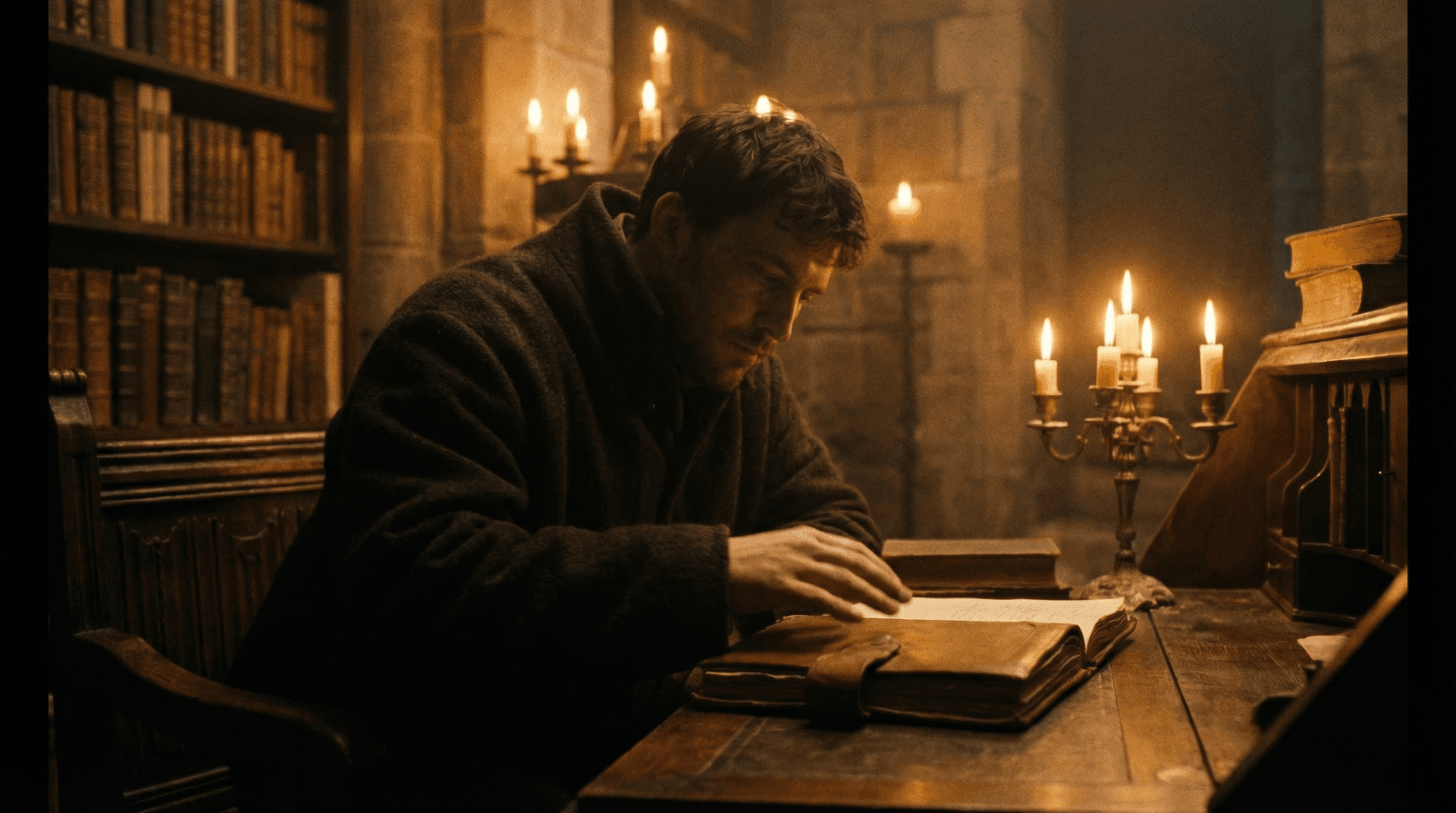
Jung called the hidden part the shadow.
Find yours
Which pattern is running you right now — and what's the shadow it carries?
Take the free assessment →Free · 15 minutes · Full report $49
What the shadow actually is
Carl Jung introduced the concept of the shadow in the early twentieth century as part of his model of the psyche. In his framework, the psyche has several layers: the persona (the face we show the world), the ego (the conscious self), and the unconscious — which contains everything the ego can't or won't acknowledge.
The shadow is the part of the unconscious that holds the traits, impulses, and patterns we've rejected. Not because they're inherently evil or destructive, but because at some point — usually in childhood, usually in response to our environment — we learned they were unwelcome.
The child who was praised for being calm learned to suppress their anger. The child raised in scarcity learned to hide their desire for pleasure or ease. The child in a chaotic family learned to suppress their need for structure. These suppressed patterns don't disappear. They go underground.
"Everyone carries a shadow, and the less it is embodied in the individual's conscious life, the blacker and denser it is." — Carl Jung
The shadow, in other words, is not the absence of a quality. It's the compression of it. The pattern is still there — it has simply been pushed outside of awareness, where it operates without your permission.
Why this matters more than your dominant type
Here is the thing that most self-discovery frameworks miss: your dominant pattern explains your strengths and your natural way of operating. The shadow explains your self-sabotage.
Why do you pull back right before something real could happen? Shadow. Why do certain people trigger you in ways that feel disproportionate — what Jung called "projection," the unconscious attribution of your own disowned traits to others? Shadow. Why do you keep arriving at the same stuck place through completely different circumstances? Shadow.
The dominant archetype tells you what you do when you're operating from your strengths. The shadow archetype tells you what you do when you're operating from fear, depletion, or stress — and why you keep doing it even when you can see it's not serving you.
This is why shadow work is not a niche interest for depth psychology enthusiasts. It is the central work of anyone serious about growth, and it is systematically excluded from the most popular personality frameworks because it's uncomfortable to sell and difficult to categorize.
The difference between archetypes and the shadow archetype
In Jungian psychology, archetypes are universal patterns of human experience — the Hero, the Healer, the Mystic, the Rebel. These patterns appear across cultures, in mythology, in literature, in dreams. They are not personality types in the modern sense; they are structural patterns of how consciousness organizes energy and meaning.
Everyone has all of these patterns to some degree. What differs is which one dominates, which one supports it, and which one has been most thoroughly suppressed.
The dominant archetype is the pattern you live most visibly. It shows up in how you lead, create, relate, and build. Most personality tools — if they're working from a Jungian framework at all — stop here.
The shadow archetype is the pattern you've most aggressively rejected. It typically represents the inverse of your dominant — the qualities that feel most alien, threatening, or beneath you. Which is precisely why they have so much power over you.
A dominant Healer whose shadow is the Tyrant. A dominant Visionary whose shadow is the Hoarder. A dominant Rebel whose shadow is the Preacher. The shadow isn't a defect — it's the underground twin of your greatest strength, and it's waiting to be integrated rather than fought.
What integration actually means
Integration does not mean becoming your shadow. It means developing a conscious relationship with it — understanding when it's running the show, recognizing its signals before they translate into behavior you can't explain, and learning to draw on its qualities intentionally rather than having them erupt sideways.
The dominant Healer who integrates the Tyrant doesn't become cruel. They learn to set limits. To say no. To stop giving from depletion. The shadow's energy, channeled consciously, becomes one of their most powerful tools.
This is what Jung meant when he described shadow work not as exorcism but as alchemy — the transmutation of what was once poisonous into something generative.
The word alchetype names exactly this process: not just what pattern you are, but the transformation available when you stop running from the one you've been avoiding.
Why most tests skip it
There are three reasons the shadow is systematically absent from popular personality frameworks.
It requires more than multiple-choice. The shadow is, by definition, what you're not aware of. A Jungian archetype test that asks you to describe yourself will naturally surface the dominant pattern — the one you already know. The shadow requires a different kind of question: forced choices that reveal preference under pressure, and open-ended answers that let your actual language show through.
It's harder to market. "You're a visionary leader" is satisfying to read. "You're running from your shadow's tendency to hoard, control, and withhold" requires the person to be ready to hear it. Most frameworks optimize for the pleasant first impression rather than the useful complete picture.
The shadow makes the label less tidy. A personality system built on clean categories works as long as every person fits neatly into one. The shadow complicates the picture — it means your behavior is partly your dominant type and partly the unintegrated inverse of it, interacting in ways that vary by context and stress level. This is more accurate. It is also less easy to print on a poster.
Frequently Asked Questions
What is the shadow archetype?
The shadow archetype is the pattern of traits, impulses, and qualities that have been suppressed into the unconscious — usually because they were unwelcome in childhood or in the environments that shaped us. Jung called it the shadow, and it operates without your permission, shaping behavior through projection, self-sabotage, and recurring stuck points. It is not the absence of a quality. It is the compression of it.
How is the shadow archetype different from your dominant archetype?
Your dominant archetype is the pattern you operate from most visibly — your strengths, your natural mode in relationships and work. The shadow archetype is the pattern you have most thoroughly rejected, and it tends to be the inverse of your dominant. A Healer's shadow is the Enabler who cannot stop giving; a Visionary's shadow is the Fantasist who generates possibilities without committing to any. The shadow is where self-sabotage lives, and it is more structurally significant than most frameworks acknowledge.
What does shadow work actually do?
Shadow work develops a conscious relationship with the suppressed pattern. Integration does not mean becoming your shadow. It means recognizing when the shadow is running the show before the behavior is already in motion, understanding its signals, and eventually drawing on its qualities intentionally rather than having them erupt sideways. For more on what the practice involves, see what is shadow work.
How do I find out what my shadow archetype is?
The shadow is difficult to identify through self-report alone — by definition, it is what you're not aware of. A test that only asks how you see yourself will surface the dominant pattern. Identifying the shadow requires different question design: forced choices under pressure, open-ended language that reveals pattern through word choice rather than category selection. The free Alchetype result includes your dominant archetype; the full report reveals the shadow in detail.
The free Alchetype result gives you your dominant and secondary archetypes — the patterns you operate from most visibly. The full report includes your shadow in detail: what it is, why it's there, how it's been shaping your decisions, and what integration actually looks like for you specifically.
Most people say the shadow section is the part that hit the hardest.
That tends to be true of anything that finally names what you've been pretending not to see.