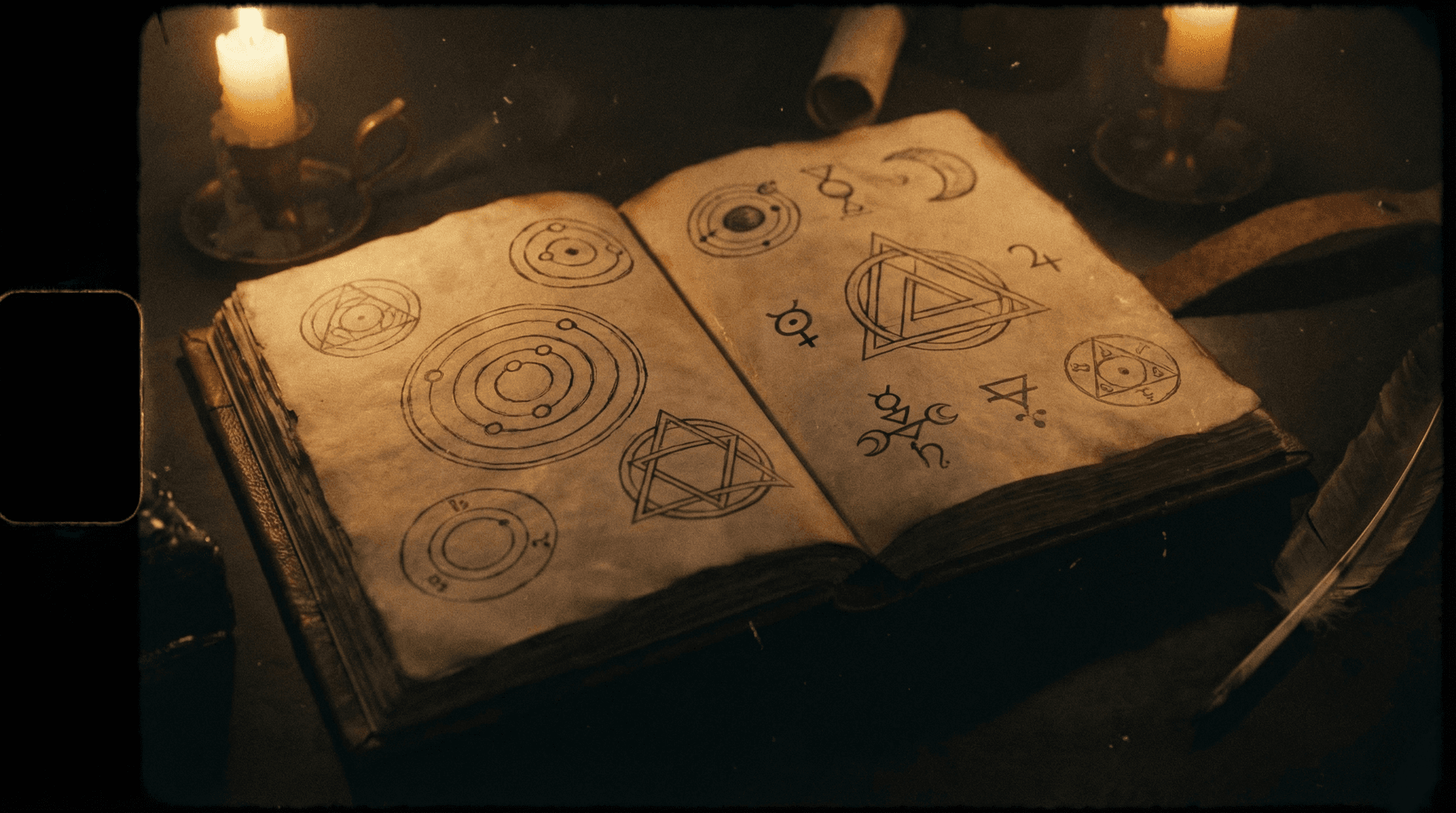
Carl Jung spent decades mapping the architecture of the unconscious. He identified universal patterns, structures he called archetypes, that shape how people create, relate, protect themselves, and self-destruct. These patterns operate beneath the personality you show the world.
Most archetype tests don't measure any of that. They measure personality: your preferences, your communication style, how you tend to behave in groups. That's useful. It just isn't what Jung was talking about.
Here's why the distinction matters, and what a real Jungian archetype test should actually surface.
What a Real Jungian Archetype Test Actually Measures
Jung's archetypes aren't personality types. They're patterns of psychological energy, inherited structures in the collective unconscious that animate human behavior across cultures and centuries. The Hero, the Sage, the Trickster, the Shadow. These aren't descriptions of who you are. They're descriptions of forces moving through you.
Find yours
Which pattern is running you right now — and what's the shadow it carries?
Take the free assessment →Free · 15 minutes · Full report $49
A genuine Jungian archetype test measures which of these patterns is dominant in your psychology right now. How it shapes your relationship with work, creativity, and connection. And, this is the part most tests skip entirely, which pattern you're most suppressing.
The suppressed pattern is the shadow. It's the most important result a test can return. Without it, you have half a picture.
Myers-Briggs, the Enneagram, DISC — these are excellent frameworks with real utility. They were also designed by people working in the tradition of personality psychology, a different tradition than Jung. Knowing you're an INTJ doesn't tell you why you keep sabotaging yourself at the exact moment visibility becomes possible. A Jungian test, done properly, can.
The Piece Every Free Test Is Missing
The shadow is Jung's most precise contribution to psychology. It's the part of the self that gets pushed down during development, not because it's bad, but because it was deemed unsafe, unwanted, or incompatible with how you needed to be in order to survive your particular family, culture, or context.
By adulthood, the shadow runs largely on its own. It shows up as the pattern you most judge in others. The emotion that arrives when you were supposed to feel something else. The block that appears every time you get close to what you say you want.
Most free archetype tests don't surface the shadow because it's harder to sell. "You are the Hero" feels good. "The Martyr pattern is running underneath your Hero presentation" takes more courage to hear, and more craft to deliver. It's also the reading that changes something.
A Jungian archetype test that doesn't include the shadow is a personality quiz with better branding. The shadow is what makes the framework diagnostic rather than decorative.
What to Look for in an Archetype Test Worth Taking
If you're evaluating a Jungian archetype test, there are a few things worth checking before you invest time in it.
It includes the shadow. The primary archetype is the starting point. The shadow archetype is where the real information lives. Any test worth taking will surface both and explain the relationship between them.
It applies to real life. The result should connect to something you recognize: how you build or avoid visibility in your work, how you price yourself, how you show up in collaboration, where your creative projects stall. Archetypes aren't self-contained — they pattern everything.
It's specific. "You are a natural leader with a gift for vision" could describe six of the twelve archetypes. A good result narrows precisely to your version of the pattern, including the shadow expression that's specific to how this archetype tends to collapse.
It doesn't just hand you a label. The most common failure mode in archetype tests: they give you a type and walk away. The question "what do I do with this?" needs an answer. The result should tell you something actionable about where you are and where the pattern might take you if it stays unconscious.
It's based on behavior, not just self-report. Most tests ask how you see yourself. The best tests ask about behavior, tendency, and what you're drawn to and repelled by. What you believe about yourself and what you actually do are frequently different things. A well-designed test is built to catch that gap.
FAQ
What is a Jungian archetype test?
A Jungian archetype test identifies which of Jung's 12 universal patterns dominates your psychological profile. Unlike personality tests, which measure how you present yourself, a Jungian test maps unconscious patterns that shape behavior beneath the surface, including the shadow archetype: the most suppressed pattern that shapes you without being named.
How is a Jungian archetype test different from Myers-Briggs?
Myers-Briggs measures cognitive preferences: how you process information, make decisions, and direct your energy. A Jungian archetype test measures something different. It maps the unconscious patterns driving your behavior and identifies the shadow archetype you've been avoiding, which tends to be the pattern running the show from underneath. Both frameworks have value. They answer different questions.
What does a Jungian archetype test reveal about the shadow?
The shadow archetype is the pattern you've most suppressed. It shows up as self-sabotage, recurring blocks, or emotions that arrive unexpectedly and feel outsized. A real Jungian test surfaces the shadow alongside your primary archetype and explains how the two are related, because the way the shadow operates is almost always a direct consequence of how hard the primary pattern pushes it down. You can read more in our guide to the shadow archetype.
Is there a free Jungian archetype test online?
The Alchetype assessment is free to take. You'll receive your primary archetype and a personalized result. Unlocking the shadow archetype and the full 13-section report is $49. The assessment is 19 questions and takes about 15 minutes. It was designed specifically around Jung's framework: primary archetype, shadow archetype, and application to work, brand, and creative life.
Which Archetype the Test Might Surface
The specific pattern a Jungian archetype test returns isn't a letter combination or a number. It's one of twelve patterns, each with its own characteristic gift and shadow expression.
Some of the most commonly dominant patterns among the people who take the Alchetype assessment:
The Mystic archetype tends to appear in people whose relationship to depth and meaning shapes everything else. The gift is insight. The shadow, called the Ghost, is the disappearing act that follows when the world doesn't receive that depth.
The Healer archetype is the pattern built around holding space for others. The gift is genuine attunement. The shadow, the Enabler, appears when that gift turns into chronic self-erasure in service of everyone else's process.
The Visionary archetype organizes around possibility and the future. The gift is the capacity to see what doesn't yet exist. The shadow, the Fantasist, emerges when seeing replaces building — and every new idea becomes a substitute for finishing the last one.
The Creator archetype is the pattern organized around making. Its shadow, the Hoarder, shows up as drafts folders full of work that never ships.
Each of the 12 Jungian archetypes carries this same structure: a dominant pattern and a suppressed one that operates beneath it. A test worth taking surfaces both. The shadow is where most of the information lives.
The only way to know your alchetype — and the shadow it carries — is to take the assessment.