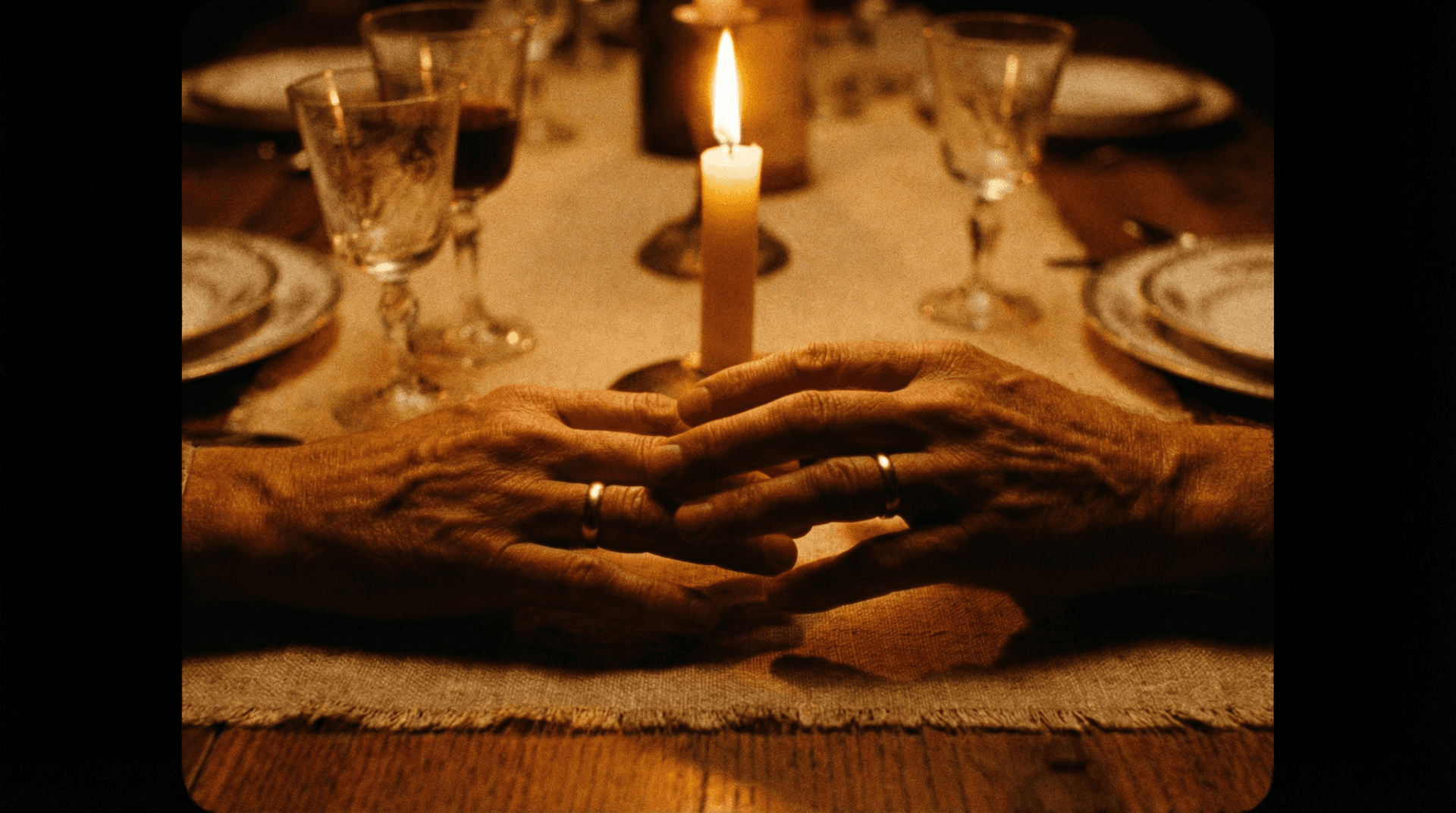
You feel the mood shift in a room before anyone names it. Someone is upset, and you know it before they say anything, sometimes before they know it themselves. You walk out of certain conversations carrying something that wasn't yours when you walked in.
People feel seen by you in ways they don't entirely expect. Something gets recognized that they hadn't offered explicitly. You notice, and they notice that you noticed, and the quality of connection that creates is real.
The question you're less certain about: what do you actually feel, separate from everyone else?
What the Empath pattern actually is
The Empath pattern is organized around attunement. The specific capacity to feel what another person is experiencing with precision, to register their inner state as information rather than just inference, and to respond from that registration rather than from a script.
Find yours
Which pattern is running you right now — and what's the shadow it carries?
Take the free assessment →Free · 15 minutes · Full report $49
Jung's feeling function is the relevant framework here. When this function is dominant, the person's world is organized around relationship and emotional reality. They process experience through attunement. They know what's true by how it feels in the presence of others.
This isn't sentimentality. The Empath can feel difficult things clearly. They can be present with grief, anger, confusion, and betrayal without needing those experiences to stop. The capacity is one of accuracy, not sweetness.
The gift
When the Empath pattern is working well, it creates something genuinely rare: the experience of being understood at a level that most interactions don't reach. The person who encounters an attuned Empath often says they've never told anyone this before, not because they've been secretive, but because no one made it feel safe to say it before.
This produces strong outcomes in therapy, coaching, mediation, teaching, and any role requiring genuine attunement to what's actually happening inside another person. The Empath's clients and students don't feel processed. They feel met. The Healer archetype shares this territory, with a specific capacity to hold wounds rather than just register them. The distinction matters: the Empath feels the other person's experience with precision; the Healer creates the container that makes that experience safe to stay in.
Content made from this pattern has an unusual quality: it reflects the reader back to themselves. The Empath writes or speaks in ways that make people feel recognized, because the work itself is an act of attunement. The Storyteller archetype uses a similar attunement to audiences, but through narrative rather than direct contact. Where the Storyteller shapes the experience, the Empath mirrors it.
The shadow: The Mirror
The shadow archetype of the Empath is the Mirror.
The Mirror reflects so completely that its own signal disappears. The Empath in shadow mode takes on others' emotional states as their own without realizing it's happening. They spend an hour with someone in crisis and leave feeling the crisis themselves. They spend a week in a tense relationship and lose access to their own read on reality.
The Mirror adapts to what the room needs. It becomes whatever it senses will help. Over time, this is erosive. The person living this pattern starts to lose the thread of their own experience, their own preferences, their own perspective. The self becomes something to check rather than something to trust.
The deeper structure: the Mirror was often rewarded, early on, for accurately reflecting what others needed. Being a mirror was adaptive. It created safety, created connection, created a kind of love. The problem is that a mirror doesn't have opinions, desires, or a direction of its own. At some point that stops being adaptive and starts being a way of disappearing.
How this pattern shows up in work and creative life
The Empath pattern is suited to any work that depends on understanding what's happening inside another person. Therapy, coaching, teaching, mediation, community building, facilitation. Roles where the primary instrument is attunement.
In business, this pattern tends to be highly effective at relationships and genuinely difficult with conflict. The Empath can struggle to advocate for their own needs, to hold boundaries under relational pressure, to say no when yes would maintain harmony. The Mirror is present in all of those struggles.
Content made from this pattern has loyal audiences because it generates real recognition. The friction is that the Empath can find it hard to have a point of view, to disagree publicly, to stand for something specific rather than something affirming. The Mirror wants to reflect the audience's experience back to them. The gift is that this creates connection. The shadow is that it eventually says nothing new.
The integration question
Integration for the Empath is developing the skill of presence without merger. Being in contact with another person's experience without the boundary between self and other dissolving.
The behavioral marker is specific: the integrated Empath can leave a conversation and feel their own feelings, separate from the person they were with. They can track the difference between "this is what they're experiencing" and "this is what I'm experiencing in their presence." Those two things can both be true, but they're not the same thing.
When the Empath can maintain their own signal in the presence of another's signal, the attunement becomes more useful, not less. A mirror gives people their own reflection. A person gives people genuine contact with someone who is also there. The second one is what this pattern, at its best, offers.
How this pattern relates to others
The Empath pattern overlaps most closely with the Healer archetype. Both are organized around being present with another person's experience. The mechanism differs. The Healer holds the wound without being consumed by it. The Empath feels it with precision in the first place. People carrying both patterns have the registration and the container. People carrying Empath without Healer often absorb without being able to process what they've taken in.
The Guide archetype offers an instructive contrast on the boundary question. The Guide's work is in releasing the student once the teaching has been given. The Empath faces a prior question: knowing which feelings belong to them and which arrived from someone else. Both patterns circle the same threshold. Where does one person end and another begin.
The Storyteller archetype shares the Empath's attunement to an audience. Where the Storyteller uses that sensitivity to shape narrative, the Empath uses it to create contact. When both patterns are present, the work can be deeply affecting. The risk in both is similar: the other person's experience becomes more real than your own, and the self that was doing the feeling gets harder to find.
What is the empath archetype?
The empath archetype is the Jungian pattern organized around attunement. People living this pattern feel what others feel with precision, create spaces where people feel understood at unusual depth, and process the world primarily through connection and emotional reality. The gift is genuine contact. The shadow is the loss of self in that contact.
What is the empath archetype shadow?
The shadow of the empath archetype is the Mirror. The Mirror takes on others' emotional states as its own, adapts completely to what the room needs, and gradually loses access to its own perspective. The self becomes unreliable as a reference point. The pattern that was a gift in attunement becomes a structure for disappearing.
What does the empath archetype mean in Jungian psychology?
In Jungian psychology, the empath archetype connects to the feeling function — the evaluative capacity that organizes experience through relationship and attunement. When this function is dominant, the psyche is oriented toward what others are experiencing. The shadow emerges when the permeability of the self-other boundary becomes too great and the individual's own interiority gets absorbed into the field. Explore the 12 Jungian archetypes to see how each pattern navigates its own version of this threshold.
The only way to know your alchetype — and the shadow it carries — is to take the assessment.